
Environmental Neuroscience
At SPIKEURBAN we integrate Architectural, Building Science and Spatial Analysis with Environmental Neuroscience to understand not only how architectural design and indoor conditions influence cognition, emotion, health, and performance – but also how patterns of movement, use, and interaction actively shape the operational efficiency, risk and long-term value of built environments.
We provide decision-relevant intelligence across the building lifecycle, from early design and retrofit to operation and post-occupancy evaluation. By combining architectural analysis with objective measures of environment, human experience and behaviour, our work connects spatial design and environmental performance to measurable outcomes relevant for organisations, users, and assets.
Our NeuroArchitecture Services enable organisations to:
• analyse how architectural form, spatial configuration, and indoor environmental conditions interact with real patterns of use, movement, and experience;
• integrate spatial, environmental, behavioural, and physiological data to understand how buildings are perceived, navigated, and appropriated;
• interpret building performance in terms of human experience, operational efficiency, risk, and value creation, rather than isolated compliance metrics;
• support informed decisions related to design, retrofit, workplace strategy, asset management, safety, and ESG objectives.
This approach is particularly relevant for workplaces, healthcare and education facilities, mixed-use developments, retail environments, hospitality venues, and complex public buildings, where performance depends on how people experience and use space.
By grounding architectural decisions in measurable human–environment dynamics, NeuroArchitecture supports more adaptive, resilient, and high-performing buildings across private and public contexts.
SPIKEURBAN does not design buildings – we strengthen design decisions.
Neurodesign is our evidence-based architectural consultancy service, providing expert advisory support for the design, improvement, and strategic development of built environments. It integrates insights from Environmental Neuroscience with Architectural reasoning, drawing on established scientific knowledge and accumulated empirical evidence to inform designers and decision-makers on decisions across their architectural and development processes.
This service is particularly relevant in contexts where:
• architectural decisions must balance performance, user experience, sustainability, and long-term value;
• projects aim to move beyond minimum compliance toward coherent, future-ready design strategies;
• organisations require consistent design principles, internal guidelines, or strategic frameworks across multiple or large-scale developments.
Neurodesign consultancy supports concept development, design review, retrofit strategies, and post-project learning across workplaces, healthcare, education, residential, and mixed-use environments. Through structured expert input and strategic recommendations, scientific understanding is converted into clear design principles and actionable guidance, supporting decision-making without adding unnecessary complexity to the design process.
By embedding neuroscience-informed thinking at a strategic level, Neurodesign enables organisations to strengthen the performance, relevance, and longevity of architectural assets, while also supporting the development of design guidelines and policy frameworks aligned with emerging expectations around health, sustainability, and user experience.
Neurodesign functions as a strategic advisory service, supporting contemporary architectural practice with rigorous, evidence-informed guidance and helping organisations deliver spaces that remain resilient, relevant, and valuable over time.

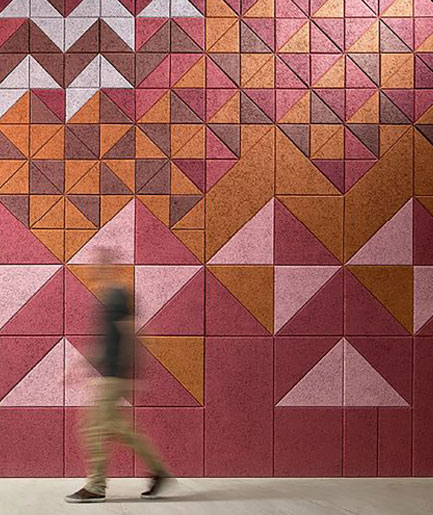
Most building assessments focus on environmental conditions or self-reported comfort and not on how it truly affect people.
SpikeUrban extends conventional assessments by measuring how people respond to the spaces they inhabit. We combine environmental performance monitoring with objective physiological, neurocognitive, and behavioural data collected in real-world settings.
Using non-invasive wearable technologies and validated scientific protocols, we quantify how indoor environments influence stress, attention, cognitive workload, emotional states, and social interaction. Environmental variables such as air quality, thermal comfort, acoustics, and light are analysed alongside real human responses, allowing direct links between spatial features and well-being outcomes.
This approach moves beyond questionnaires and compliance checklists, providing evidence of how design decisions affect health, performance, and experience. It enables organisations span class=”Bold”>to identify hidden stressors, validate design interventions, and support renovation, workplace strategy, and ESG reporting with robust, data-driven insights.
By integrating neuroscience, environmental sensing, and spatial analysis, SpikeUrban helps transform buildings from compliant structures into environments that demonstrably support human health, well-being, and social sustainability.
monitoring & health
Indoor environmental conditions – such as air quality, thermal comfort, humidity, acoustics, light, and ventilation – form a critical but often invisible layer of building performance. Within an Environmental Neuroscience framework, SPIKEURBAN’s indoor environmental monitoring services examine how these factors interact with human physiology, cognition, emotional regulation, and task performance in real-world settings.
By combining continuous environmental sensing with spatial analytics and objective human data, we reveal how indoor conditions influence stress, attention, comfort, fatigue, and social interaction, and how these effects shape patterns of use, productivity, recovery, and well-being. This enables organisations to move beyond compliance-based assessments and understand how indoor environments function as lived spaces.
Our services support:
• optimisation of workplaces, healthcare, education, and hospitality environments
• validation of design and retrofit interventions
• identification of hidden environmental stressors and inefficiencies
• evidence-based support for ESG, health, and social sustainability strategies
By linking spatial configuration to real movement and interaction patterns, this service enables organisations to improve operational efficiency, commercial performance, and spatial return on investment.

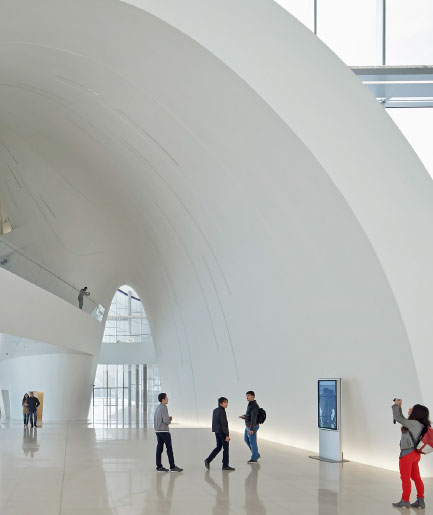
Buildings are not static containers—they are span class=”Bold”>movement systems. Patterns of circulation, visibility, accessibility, and spatial sequencing shape how people navigate, dwell, interact, and engage within interior environments.
SPIKEURBAN’s indoor mobility and placemaking services analyse how spatial layout, vertical and horizontal circulation, thresholds, and environmental cues influence movement patterns, decision-making, wayfinding, safety perception, and spatial preference. By linking behavioural data with architectural and operational characteristics, we uncover how interior spaces condition behaviour—and how behaviour, in turn, affects performance, congestion, safety, and commercial outcomes.
This service is particularly valuable for:
• shopping centres and retail environments, to optimise flows, dwell time, and store visibility;
• mixed-use developments, to balance accessibility, legibility, and experiential quality;
• corporate and institutional buildings, to improve efficiency, collaboration, and user experience;
• safety and evacuation planning, through evidence-based assessment of navigation and escape behaviour.
Rather than relying on assumptions about how buildings “should” work, this approach delivers empirical insight into how they function, enabling organisations to design and manage interior environments that perform better operationally, experientially, and economically.